
Founder
Prof. Sheila Krishnadath
CEO and CSO- Professor
- University of Antwerp
- Gastroenterologist
- Antwerp University Hospital

Preclinical · not yet tested in people
01The problem
What takes lives is the spreading: cancer cells that leave the first tumour, travel through the body and grow into new tumours elsewhere, in organs such as the liver and lungs.
02What comes after
Four cancers03What we do
Depending on the cancer. Those are the tumours the antibody is made for.
In 40 patients' tumours we examined, 9 in 10 carried raised BMP2 or BMP4 — the two signals the antibody blocks. Eight of the 40 had lost SMAD4, and all eight carried raised levels.
04What it does
Twenty-eight days of treatment, in mice carrying a human tumour that had lost SMAD4. The antibody on its own slowed growth against saline; together with chemotherapy it slowed further.
Tumour size at day 28
In human tumour cells that still had a working SMAD4, blocking the two signals changed nothing we could measure. In cells that had lost it, the cells became far less resistant to chemotherapy.
Over the whole 28 days. Chemotherapy damaged the gut lining; adding the antibody did not make that worse.
Labelled antibody was at the tumour within half an hour, and could still be found there a day later. Three mice.

05Where it stands
Not a bright idea from last year. One question, followed from the laboratory bench to a molecule that is now being made ready for the clinic.
Results in mice do not always carry over to people.
Why do tumours that have lost the gene SMAD4 behave so much worse? The answer turned out to be two growth signals, BMP2 and BMP4, that nothing holds back any more.
The cell and mouse results appeared in Cellular Oncology, free for anyone to read and check — including every number on this page.
A company, so that the work can leave the university and be made ready for patients rather than for the next paper.
Not yet in people. No study has started, and the drug is not available to anyone.
Longer in the body, the right patients, safety in animals. Only once those three are done can the first study be asked for.
06For patients
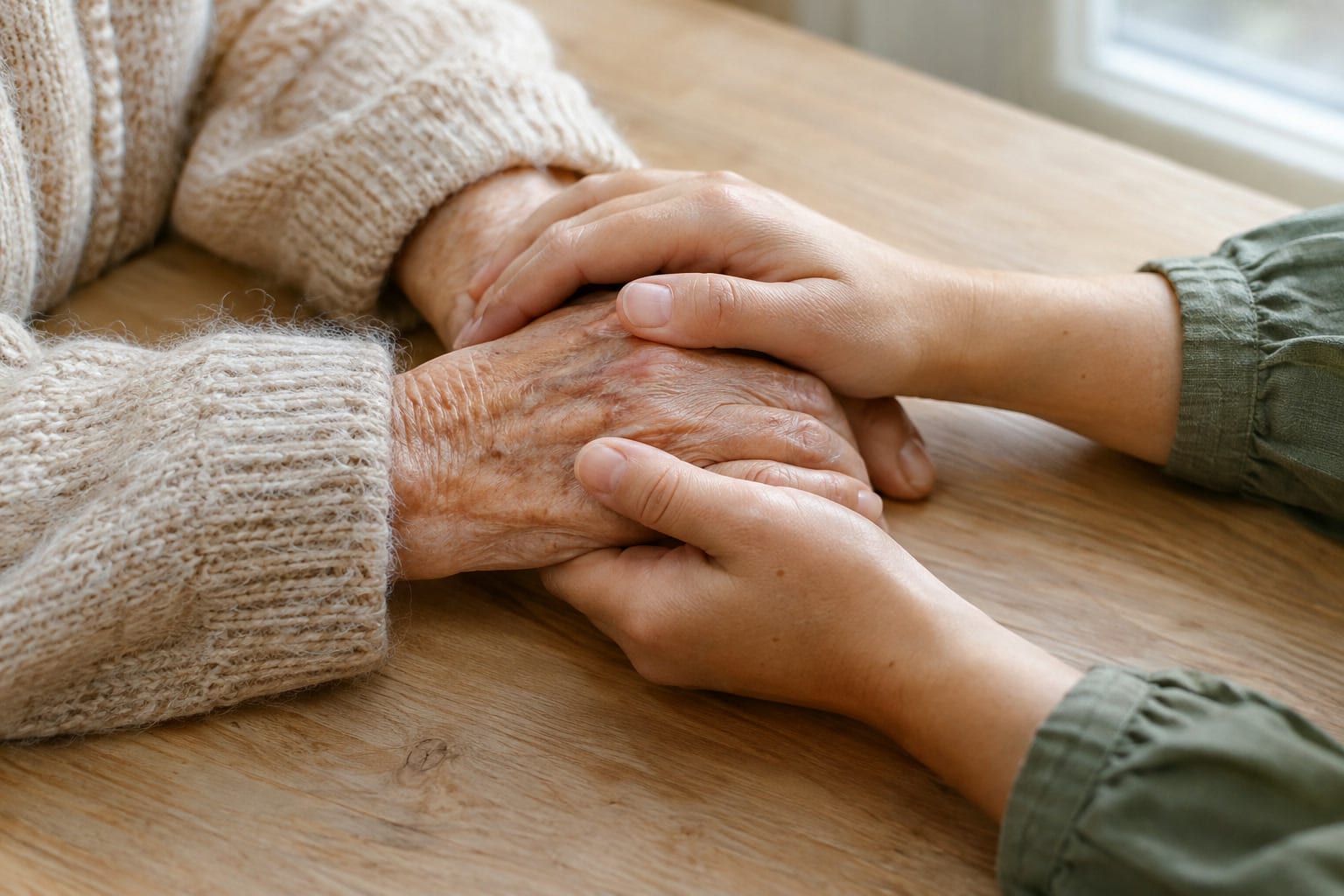
For treatment now, talk to your own doctor. You are welcome to write to us all the same.
07The people
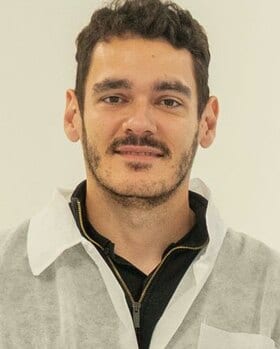 Romain De RauvilleCOO, business development
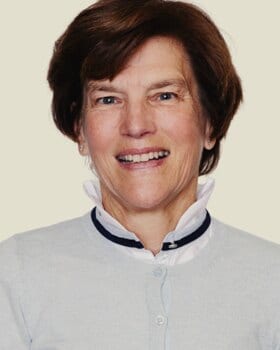 Sylvie VercruysseCFO
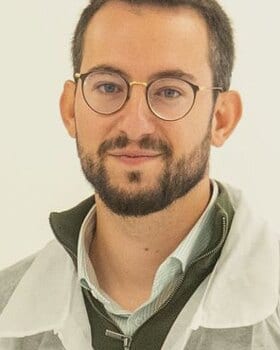 Marino CarusoSenior scientist
08Contact
For investors, partners, patients and press. Write to Sheila directly, or use the form.
sheila@smadminx.comYour message has been sent. We will reply by e-mail.